Lone Star Ticks Are on the Rise in South Jersey: What Homeowners Need to Know
If you’ve spent time outdoors in South Jersey lately, you’ve probably noticed that ticks seem to be everywhere. While most residents are familiar with deer ticks and the risk of Lyme disease, another species is becoming increasingly common throughout the region: the Lone Star tick.
Known for its aggressive behavior and ability to transmit diseases, the Lone Star tick has established strong populations throughout South Jersey’s forests, neighborhoods, parks, and backyards. For homeowners, understanding this growing pest threat is essential for protecting family members and pets.
What Is a Lone Star Tick?
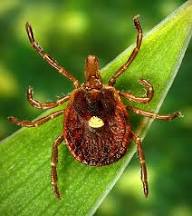
The Lone Star tick (Amblyomma americanum) gets its name from the distinctive white spot found on the back of adult females. Unlike many other tick species that simply wait for a host to pass by, Lone Star ticks are active hunters. They can detect carbon dioxide, body heat, and movement, often moving toward people and animals rather than waiting to be picked up. supported their growth. excellent habitat for Lone Star ticks and their hosts. with Southern Tick-Associated Rash Illness (STARI). allergic reactions.
Symptoms to Watch For After a Lone Star Tick Bite
While not every Lone Star tick bite results in illness, it’s important to monitor your health after being bitten. Lone Star ticks can transmit several diseases that may cause symptoms within days or weeks of exposure.
Common symptoms associated with tick-borne illnesses include:
Fever and chills
Fatigue or weakness
Headaches
Muscle and joint aches
Nausea or stomach discomfort
Rash or skin irritation near the bite site
In some individuals, a Lone Star tick bite may trigger Alpha-gal Syndrome, a condition that causes an allergic reaction to red meat and other mammalian products. Symptoms can include hives, stomach pain, nausea, and difficulty breathing several hours after eating red meat.
If you develop any unusual symptoms following a tick bite, seek medical attention promptly. Early diagnosis and treatment can help prevent more serious complications.
How to Prevent Lone Star Ticks on Your Property
The best defense against Lone Star ticks is reducing the conditions that allow them to thrive around your home. Because these ticks prefer areas with dense vegetation, leaf litter, and abundant wildlife activity, proper yard maintenance can significantly lower your risk of tick encounters.
Keep Your Lawn Well-Maintained
Regular mowing helps reduce the humid environment ticks need to survive. Keep grass short and remove overgrown vegetation around fences, sheds, and property edges.
Remove Leaf Litter and Yard Debris
Ticks commonly hide in piles of leaves, brush, and other organic debris. Rake leaves regularly and dispose of yard waste to eliminate potential tick habitats.
Create a Barrier Between Wooded Areas and Your Yard
If your property borders woods or fields, consider installing a three-foot-wide barrier of mulch or gravel between the lawn and natural areas. This can help discourage ticks from migrating into recreational spaces.
Discourage Wildlife Visitors
Deer, rodents, and other wildlife are common hosts for Lone Star ticks. Remove food sources, secure trash containers, and consider deer-resistant landscaping to reduce animal traffic on your property.
Protect Yourself Outdoors
When spending time outside, wear long sleeves, long pants, and light-colored clothing that makes ticks easier to spot. Use EPA-approved tick repellents and perform thorough tick checks after outdoor activities.
Consider Professional Tick Control Treatments
Even well-maintained properties can develop tick populations, especially in wooded regions of South Jersey. Professional tick control treatments target areas where ticks live and reproduce, helping reduce populations and protect your family throughout the season.
Trust Hornet Pest Control for Tick Protection in South Jersey
As Lone Star tick populations continue to expand across South Jersey, proactive prevention is more important than ever. Hornet Pest Control provides targeted tick control solutions designed to reduce tick activity around your home and create a safer outdoor environment for your family and pets.
If you’re concerned about ticks on your property, contact Hornet Pest Control today to schedule an inspection and learn more about our seasonal tick management programs.